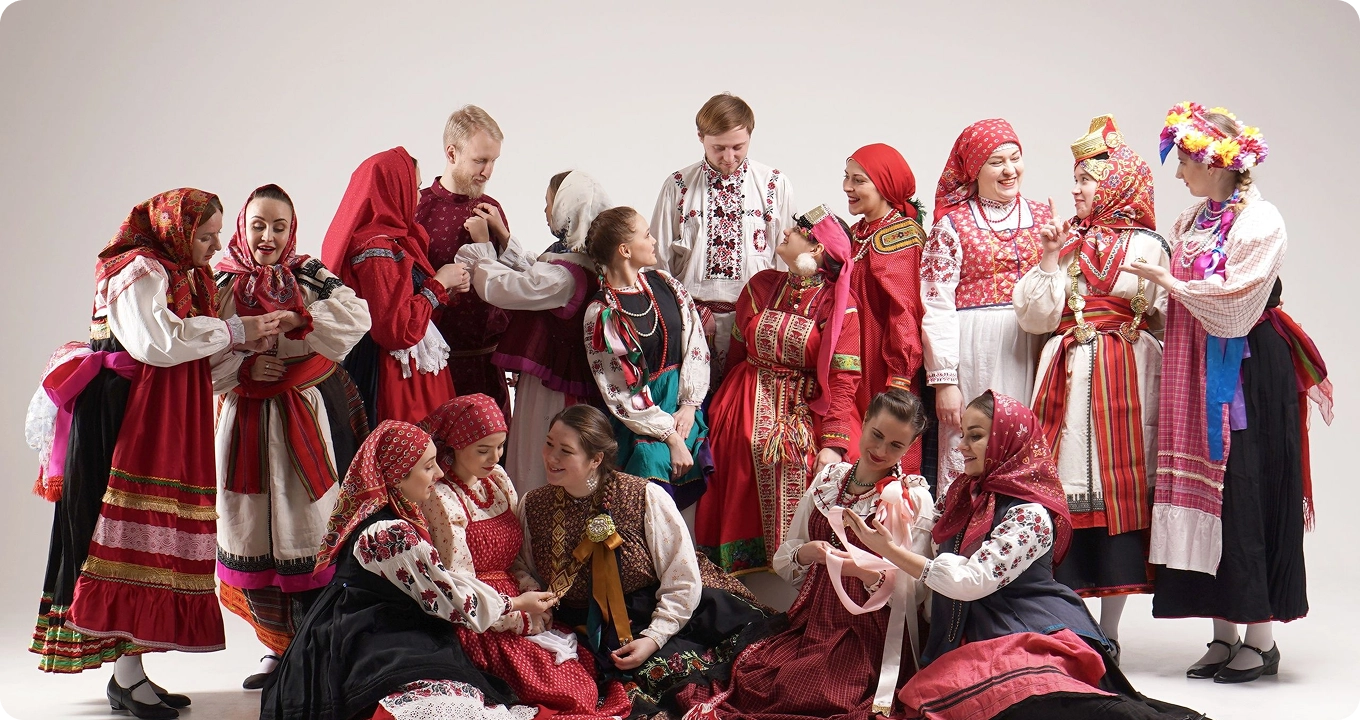
Cultural code of Russia.
What is that?
In this article you’ll get to know and understand the culture, traditions and customs of such a large and multinational country as Russia.
Page navigation:
Russia is a huge country with multi-ethnic and multi-confessional population.
The cultural code has been influenced and shaped
by thousands of years of history and many traditions of different nationalities that have lived side by side on the territory of Russia. Russian culture is a complex and multifaceted topic, it has historical roots and is closely connected with traditions
and customs that have been passed down
from generation to generation.
In this text we will talk about Russian culture, which may not be familiar to those who have just arrived in our country and would like to get to know it better. The “cultural code” is a concept comprised of numerous discourses. Let’s take a closer look at each of them.
Customs and traditions
Holidays, rituals and their peculiarities
To immerse ourselves in the topic of culture and better understand the Russian character we need to get acquainted
with customs and traditions of Russia first. What’s that? Customs and traditions is an essential part of the daily life of people, which is passed on from generation to generation, forming the unique image of the nation
and its cultural heritage.
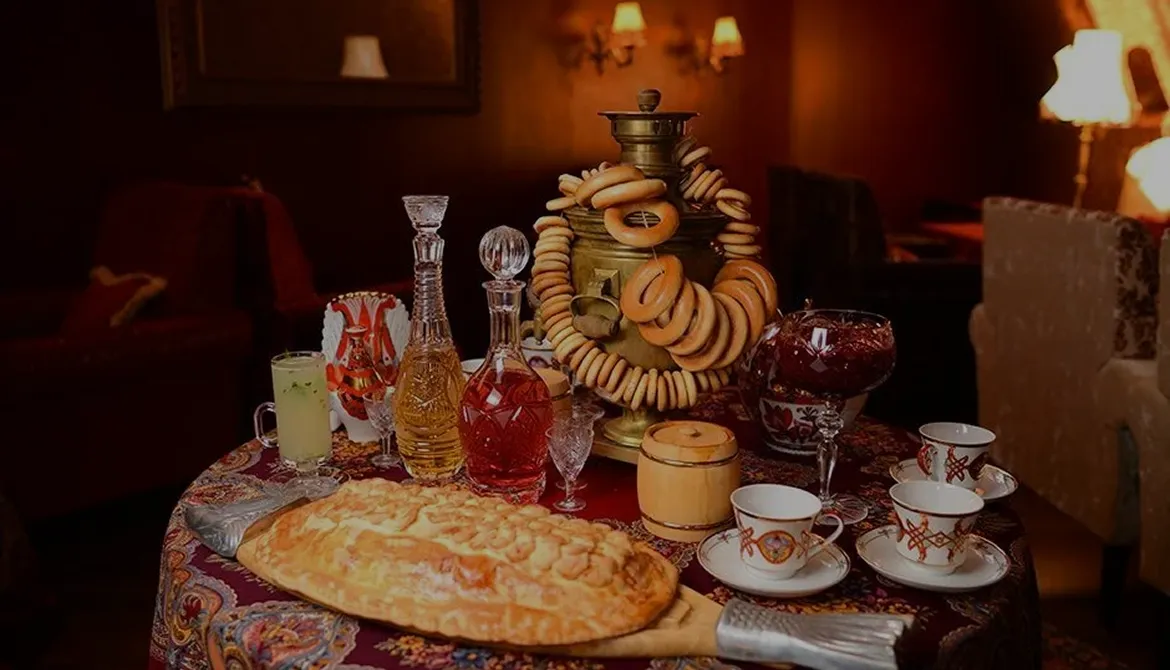
Russian hospitality
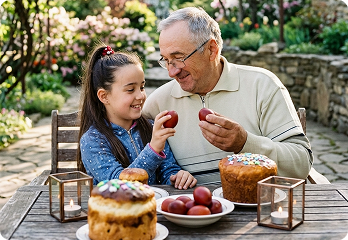
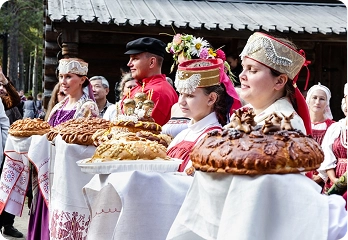
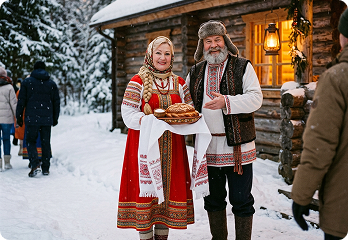
Hospitality is one of the brightest and most attractive features of the Russian people.
It is manifested in the readiness to host and serve guests, in friendliness and openness towards them. The traditions and customs of Russian hospitality go back to ancient times.
Russians always invite guests into the house, which emphasizes the national trait of hospitality, openness and warmth. It is customary to greet guests at the doorstep and walk them to the table. A Russian feast is always a lavish event, which leaves everyone well-fed and satisfied. Every hostess has her own signature recipes that are passed down to the next generations in the family. As part of each of the holiday meals, guests and hosts toast to each other and to the health of all present. Russians often invite friends and relatives not only on festive occasions, but even for no reason.
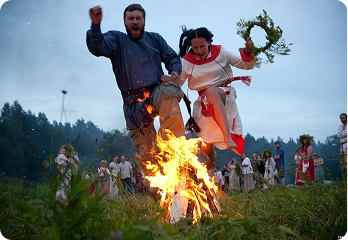
One of the Russian traditions is the essential celebration of religious and secular holidays, which have merged into one over the years of history. The most popular holidays in Russia are New Year’s Eve (January 1), Christmas (January 7), Shrovetide (or Maslenitsa), Easter, Defender of the Fatherland Day (February 23), International Women’s Day (March 8), Victory Day (May 9), and Russia Day (June 12).

Family traditions and rituals

Family traditions are honored and observed in Russia, as they strengthen kinship ties. The rituals that accompany family traditions have become an integral part of everyday life and play a special role, helping you feel secure in the family circle and confident about the future. The most popular rituals of such family traditions in modern Russia are related to weddings, births of children and christenings (baptismal rites).
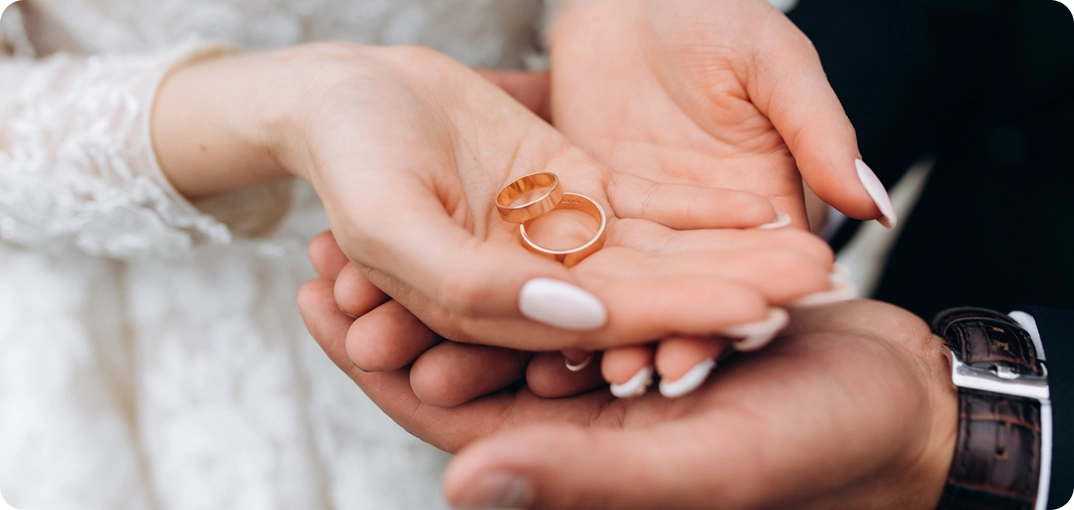
Wedding
A Russian wedding is usually a grand celebration, with many guests in attendance, and it takes at least 2 days. It is customary to invite relatives and friends of the newlyweds and gather over a shared fun feast. Traditionally, the celebration begins with bride and groom taking a bite from the loaf baked by the bride’s mother as a sign of a strong and happy marriage. The size of the pieces bitten off by the newlyweds is believed to determine the one who will be in charge of the family.
The rite of baptism
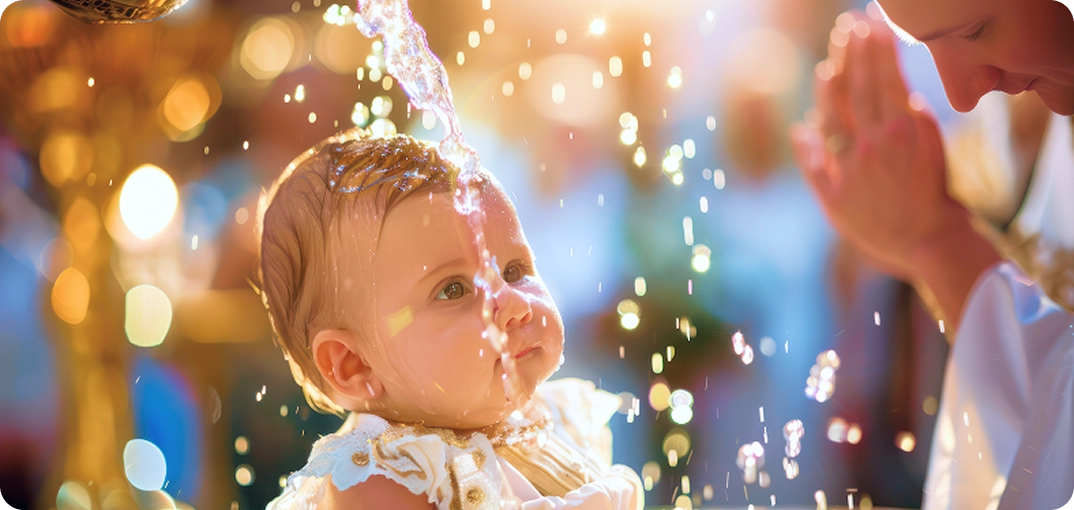
The birth of a child in Orthodox families is accompanied by the rite of baptism. Children are usually baptized at an early age of up to 2 years. The rite of the sacrament takes place in a church where the godparents and closest relatives are present along with the child’s parents.
The bishop dips the child in the font and recites prayers blessing the path of life. It is believed that after the rite the godparents become the child’s, the family’s and each other’s kin.
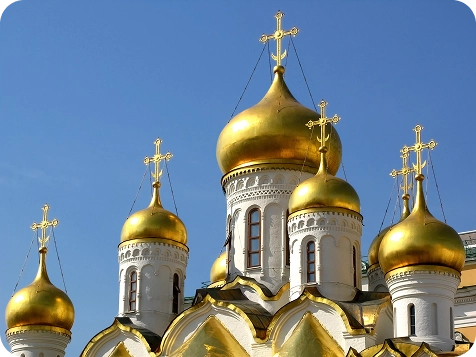
Russia is a secular state and none of religions prevails over the other.
The most numerous confession is Orthodoxy with almost 75% of believers belonging to it.
Literature and art
Poets, novelists, composers, artists, creative community and historical heritage of Russia. When analyzing such a vast phenomenon as Russian culture, it is important to realize that a colossal part of it is attributed to literature and art. Below we will talk about famous Russian writers, poets and artists who made a huge contribution to world culture and human history.
You will not grasp her with your mind, or cover with a common label, For Russia is one of a kind – believe in her, if you are able.
F. I. Tyutchev

Poetry
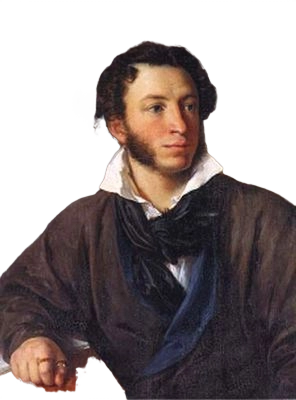
Russian poetry occupies a special place in world culture. It is characterized by depth of thought, subtlety of feeling and expressiveness of images. Here are just some of the greatest Russian poets: Alexander Sergeyevich Pushkin (1799–1837), Mikhail Yurievich Lermontov (1814–1841), Fyodor Ivanovich Tyutchev (1803–1873), Afanasy Afanasyevich Fet (1820–1892) and Nikolai Alexeyevich Nekrasov (1821–1878). All of them left a profound legacy in the history of literature.
Their works have been translated into many languages and continue to inspire readers to this day.
Russian poetry is an integral part of the cultural heritage of humanity and continues to be a source of inspiration for many generations.
Prose
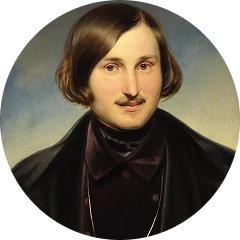
Classical Russian literature is an invaluable heritage left to us by great writers. Among them are Leo Nikolayevich Tolstoy (1828–1910), Fyodor Mikhailovich Dostoevsky (1821–1881), Nikolai Vasilyevich Gogol (1809–1852), Mikhail Afanasyevich Bulgakov (1891–1940) and many others. Their works have become iconic and have had a huge impact on world culture.
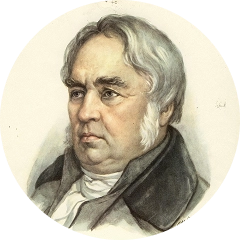
Russian classics is known all over the world thanks to the talent of a whole constellation of authors who was able to capture and convey the essence of Russian soul. For this purpose, Russian authors turned to such an artistic movement in literature and art as symbolism, which helped them to express such a complex, multifaceted and subtle concept. For example, in his “Fathers and sons” novel Ivan Sergeyevich Turgenev (1818–1883) describes Russian nature as a symbol of freedom and beauty that reflects the feelings and thoughts of the characters. However, N. V. Gogol in his poem “Dead Souls” compares Russia to a trio of horses and subtly points out the national traits of the Russian personality:
Painting
Here is only a small portion of famous Russian artists: Ilya Efimovich Repin (1844–1930), Vasily Vasilievich Kandinsky (1866–1944), Viktor Mikhailovich Vasnetsov (1848–1926), Ivan Konstantinovich Aivazovsky (1817–1900), Valentin Alexandrovich Serov (1865–1911).
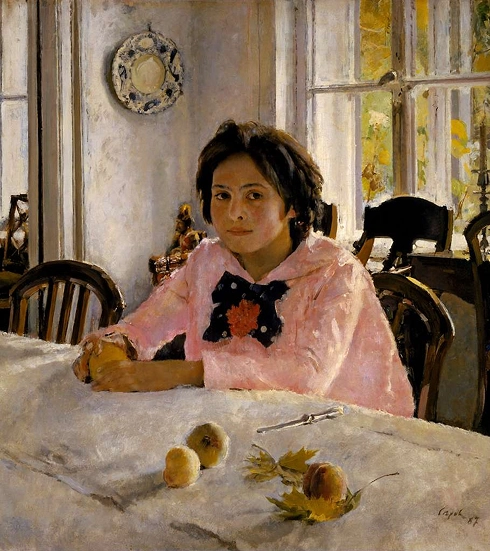
V. A. Serov’s painting “Girl with peaches”
The famous painting by the Russian artist V. A. Serov (1865–1911) “Girl with peaches” was created in 1887. It depicts Vera Mamontova, a daughter of a Russian philanthropist S. I. Mamontov (1841–1918). The painting is made in the technique of impressionism and is one of the most striking examples of this style in Russian art.
The painting is peculiar due to reflecting the atmosphere of lightness and joy of life, which was characteristic of the Art Nouveau era. V. A. Serov created the image of a girl who looks lively and direct, her eyes shining with joy and curiosity. The painting became a symbol of youth, as well as the embodiment of the ideal of girlish beauty in Russian art of the late 19th century.
Music
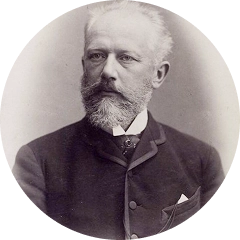
Great Russian composers left a great mark in the world history of culture: Pyotr Ilyich Tchaikovsky (1840–1893), Sergei Vasilyevich Rachmaninoff (1873–1943), Igor Fyodorovich Stravinsky (1882–1971) and many others. Their works have become classics and are widely performed at concerts, theater productions, in movies and on television around the world.
Ballet
Music by Russian composers is widely used in productions of classical Russian ballet, which is an example to follow and an object of admiration throughout the world.
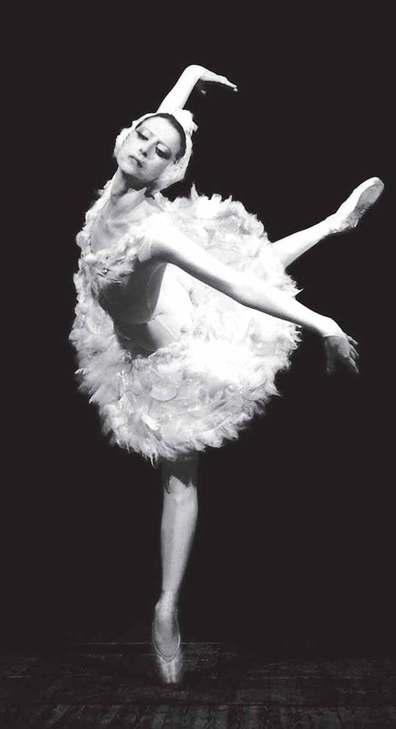
Maya Mikhailovna Plisetskaya (1925–2015) was a legendary Russian ballerina, one of the brightest stars of world ballet throughout its history.
The ballet schools in Russia are famous for their high level of training and virtuoso graduates. One can witness world-class ballet productions in at least two Russian theaters: “Bolshoi” (Moscow) and “Mariinsky” (St. Petersburg).
Both theaters can quite literally be called symbols of Russian culture and art.

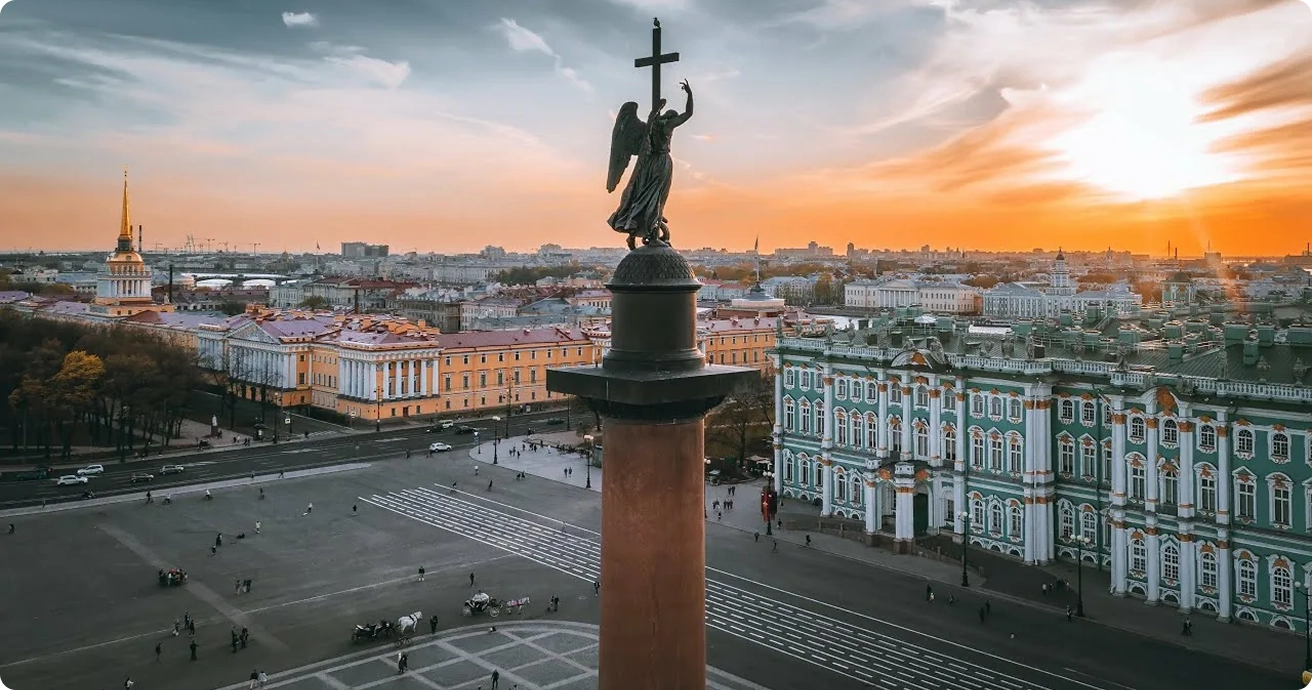
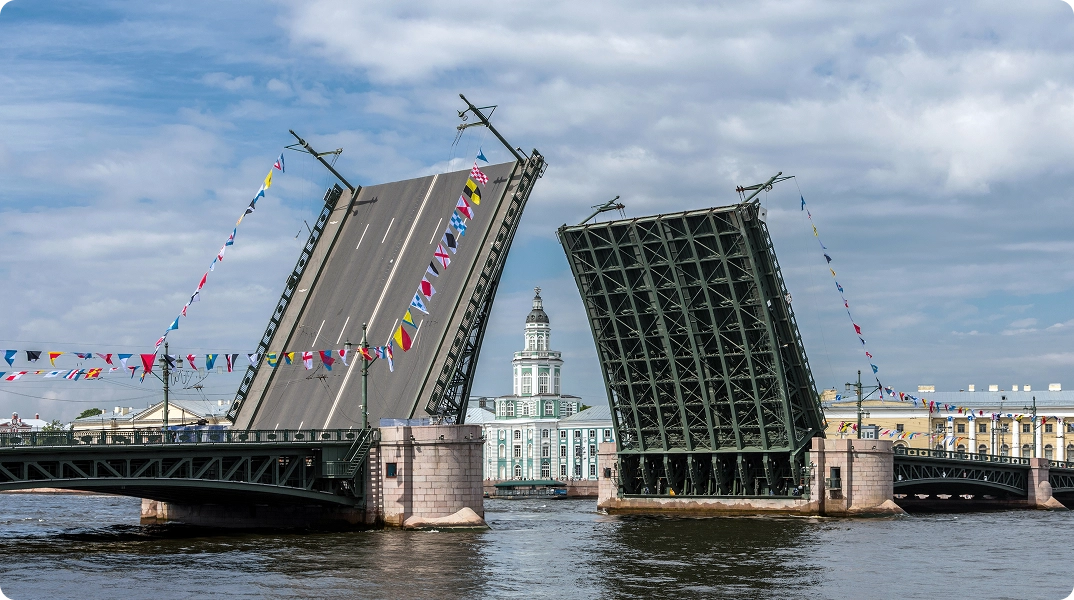
St. Petersburg is called the northern capital of Russia. It was founded in 1703 by Emperor Peter the Great (1672–1725), who decided to establish the city in a strategically favorable location to strengthen the Russian state. St. Petersburg is known for its numerous sights, architectural masterpieces and museums.
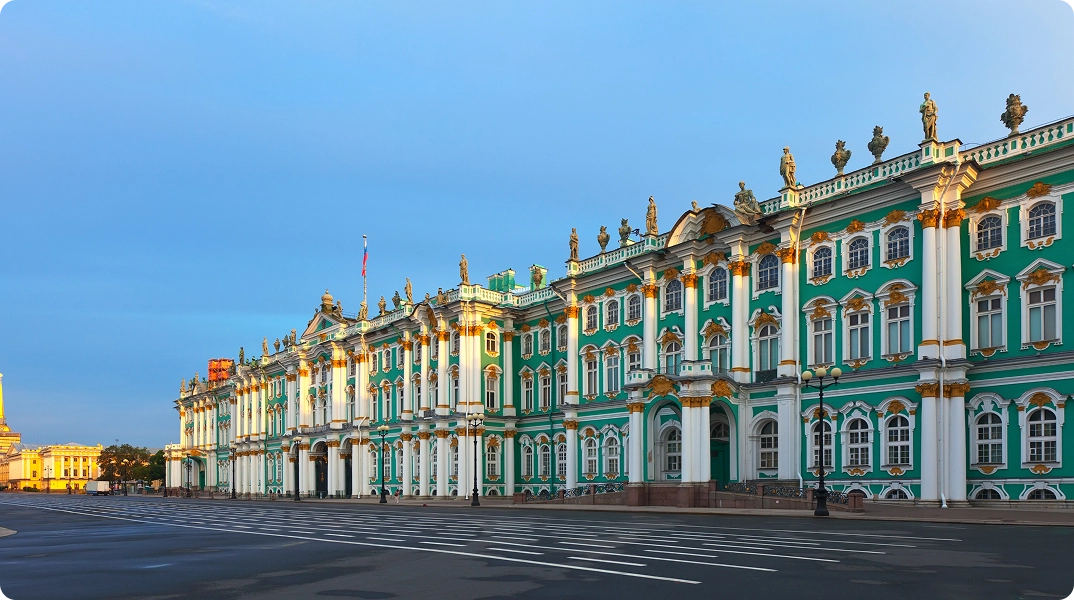
The Winter Palace and the Hermitage is one of the largest museums in the world, with a collection of about 3 million pieces. The building was constructed in 1762 by the architect B. F. Rastrelli (1700–1771).
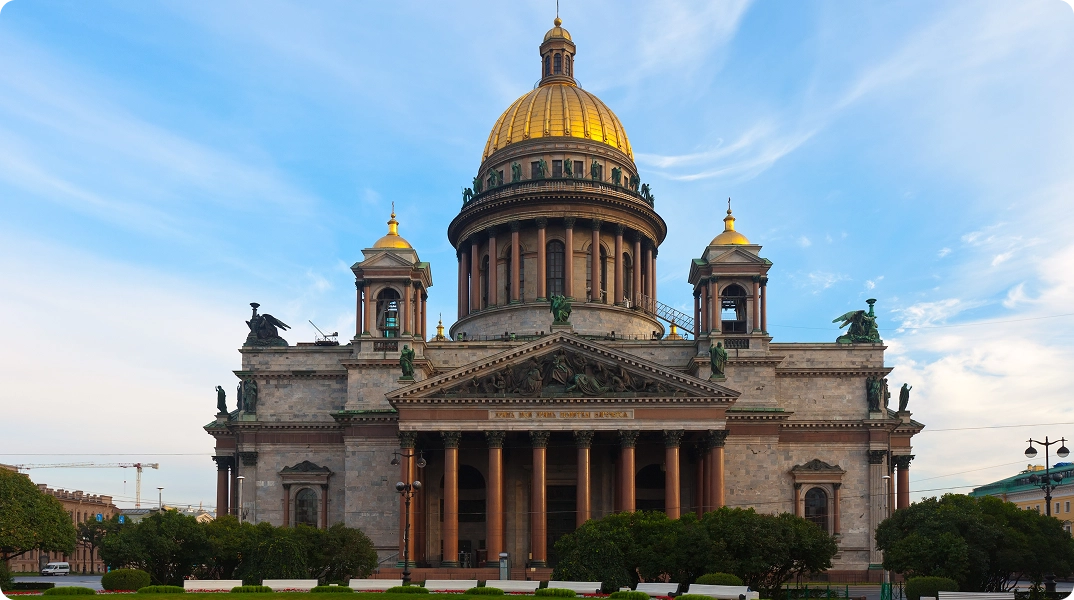
St. Isaac’s Cathedral is the largest Orthodox church in Russia and one of the symbols of the city. The temple was erected according to the design of A. Montferrand (1786–1858).
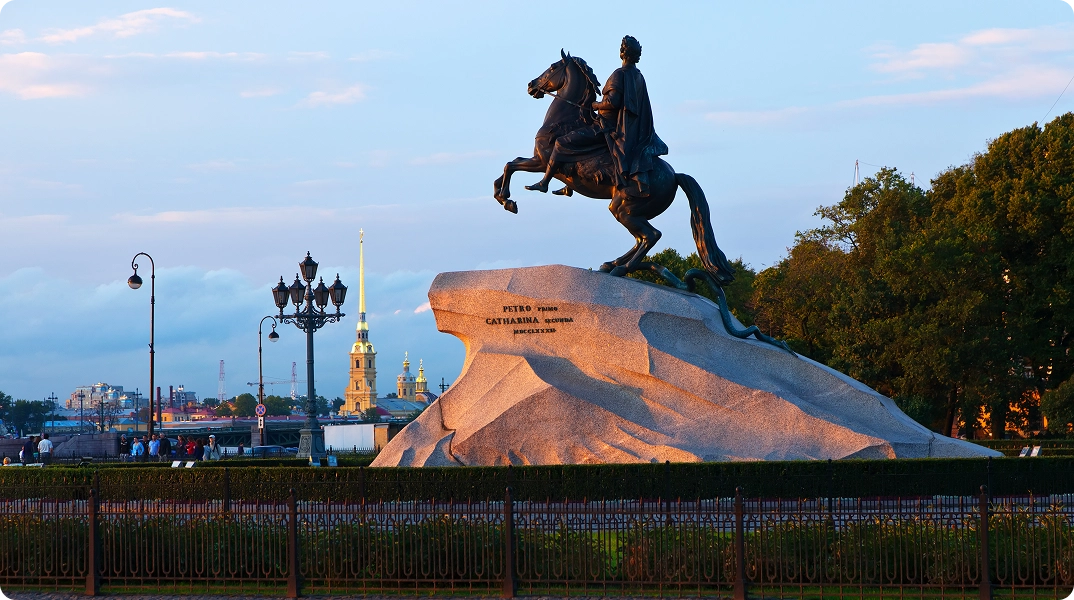
The Bronze Horseman is a monument to Peter the Great, created by the sculptor E. M. Falcone (1716–1791) in 1768–1778.
Kazan Cathedral is the main Orthodox church of St. Petersburg, built in the late 18th century according to the design of A. N. Voronikhin (1759–1814).
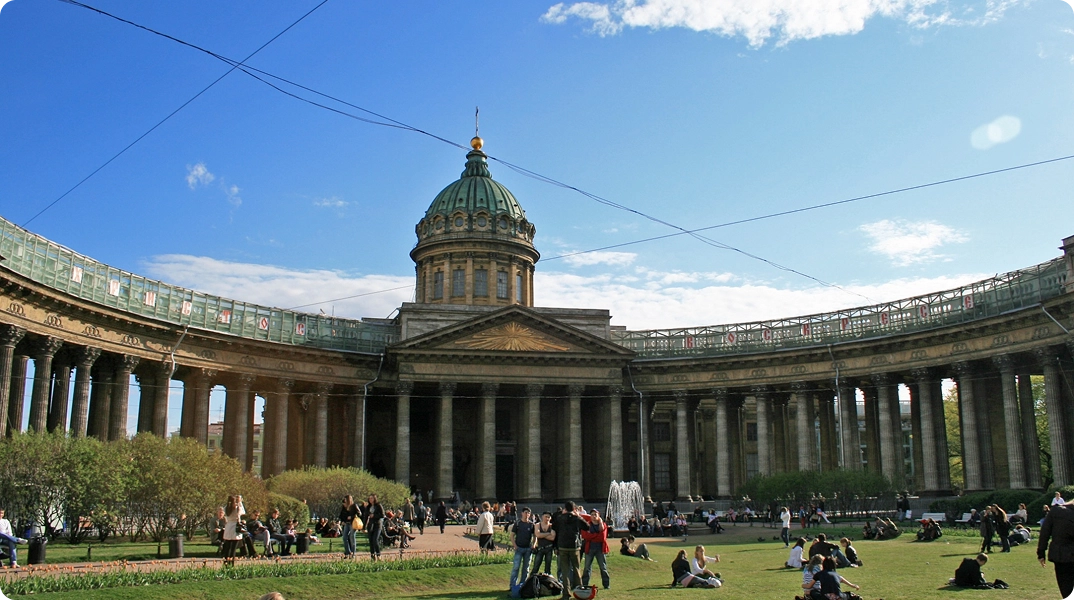
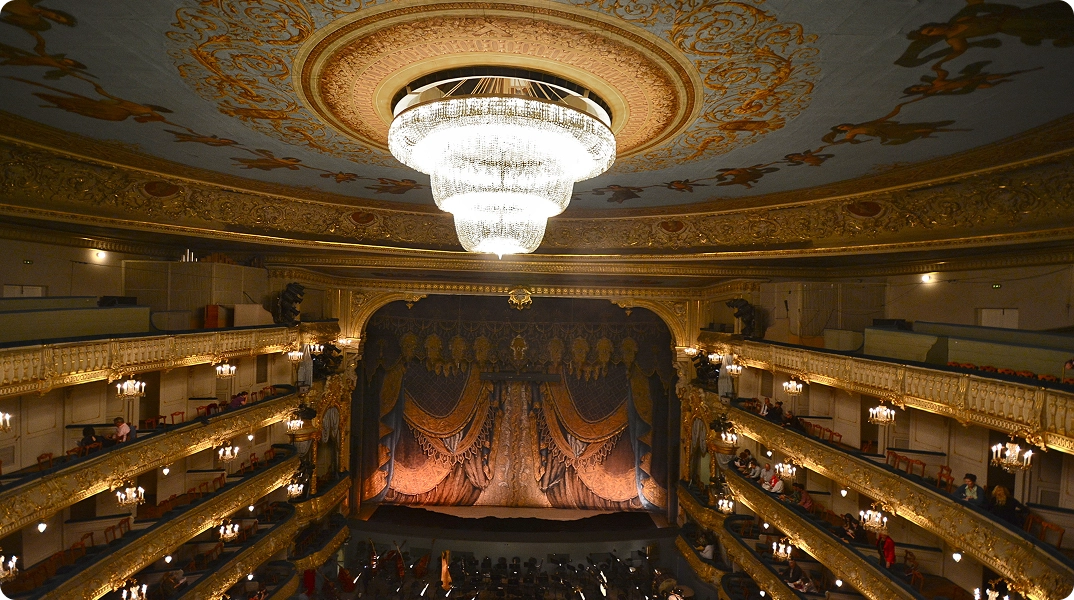
Mariinsky Theater is one of the leading opera houses in Russia, founded in 1783 by the architect A. K. Cavos (1801–1863).
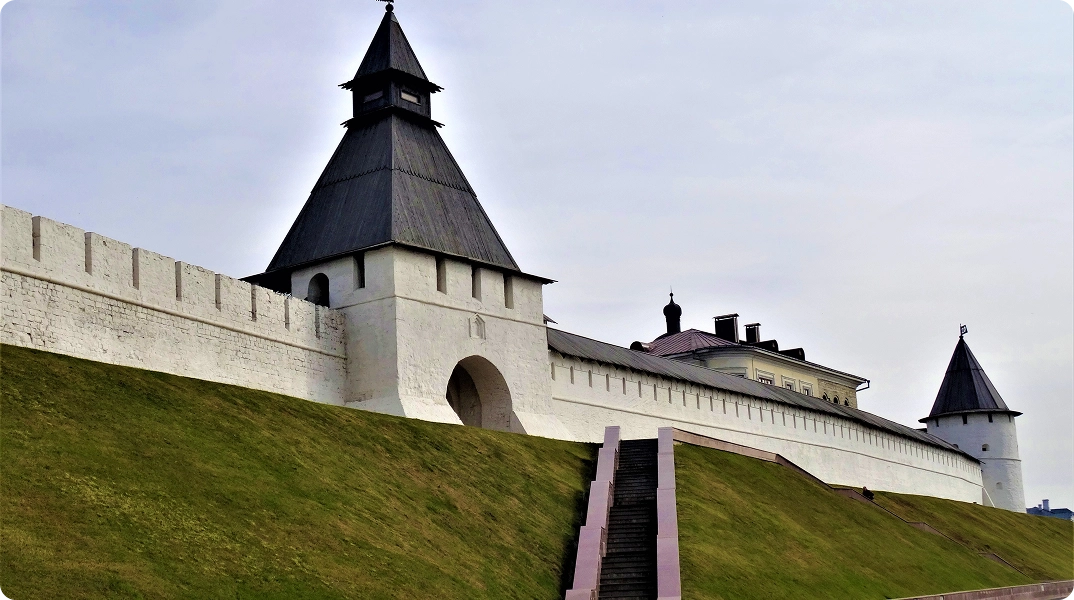
Kazan
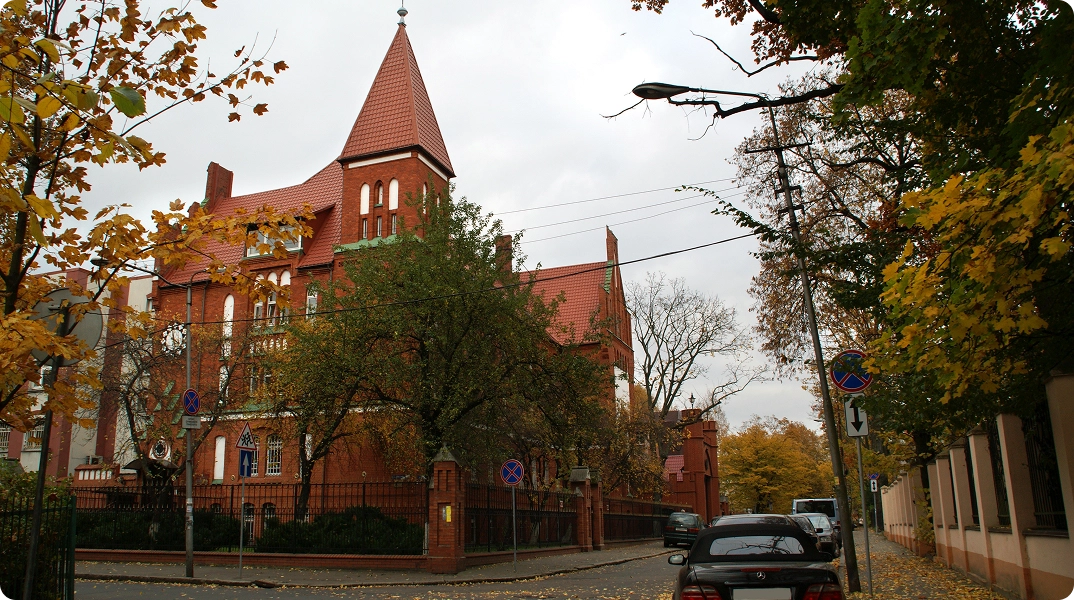
Kaliningrad
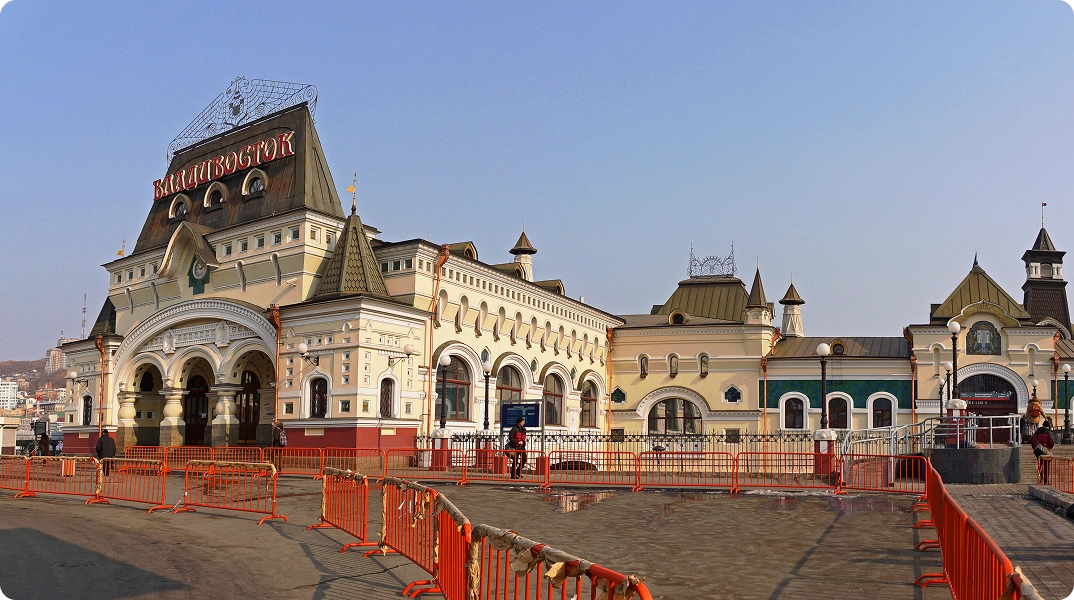
Vladivostok
Proverbs and sayings
Russian folklore is rich and authentic. It represents a special, familiar to every Russian person, heritage of songs, fairy tales, proverbs, sayings and other forms of oral folk art. Folklore reflects the subtleties of the national character, as well as traditions, customs and mindset of the people.
Fairy tales
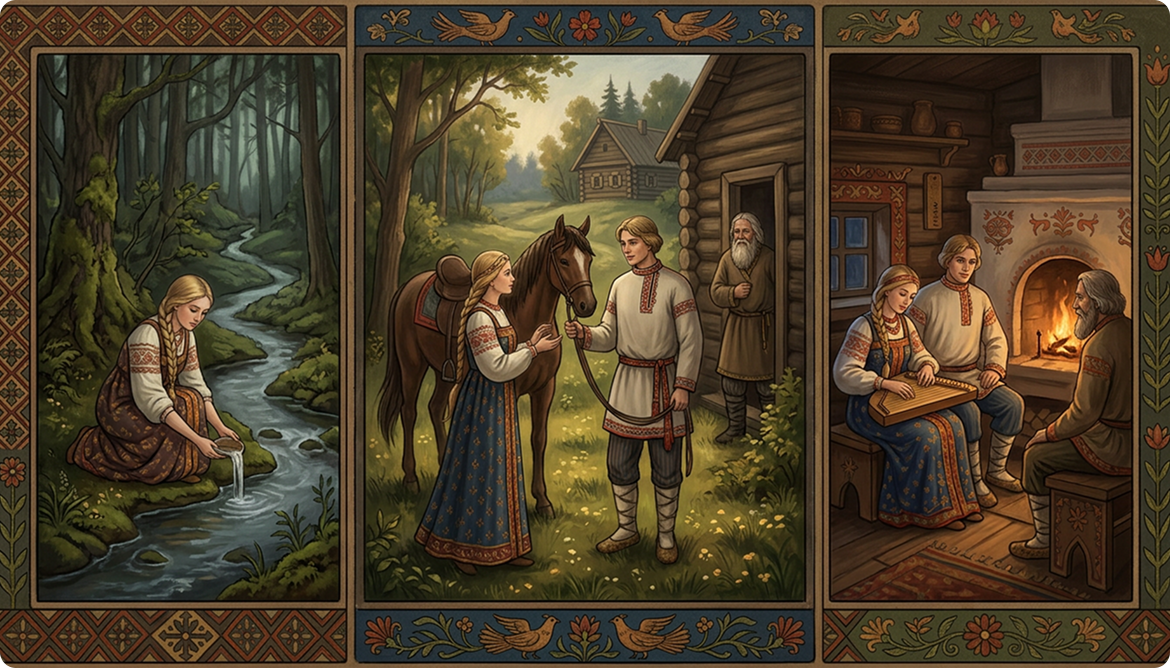
Russian fairy tales are among the most significant elements of national folklore. They are exciting stories of adventure, the struggle of good against evil, and overcoming challenges. The characters of fairy tales often represent certain qualities – wisdom, courage, kindness or cunning. Fairy tales also reflect people’s ideas about the structure of the world, relations between people and social norms. Each fairy tale is rich in archetypes and hidden meanings that hold folk wisdom.
There are many explanations for the hidden morality of fairy tales. Not all the fairy tales have preserved their original meaning till modern days, but folk wisdom is present in each of them and holds many answers to the most important and timeless questions.
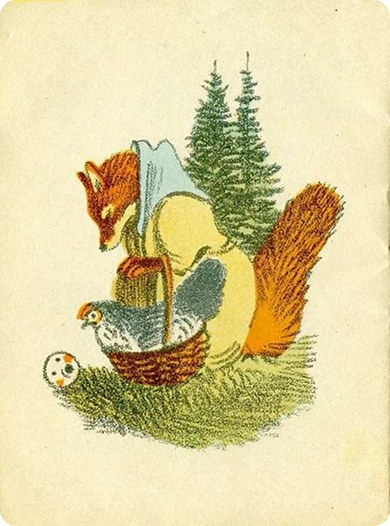
For example, according to one version, the Russian fairy tale “The Bun” allegorizes the moon. The Bun – is a metaphor, like many other images of the heroes of Russian fairy tales. The story describes the ancestors’ observation of the Moon’s movement across the sky from full moon to new moon, where Kolobok represents the Moon, and the other characters of the tale personify different lunar cycles and constellations, for example, the fox that “eats” the main character represents the lunar eclipse before the birth of new moon.
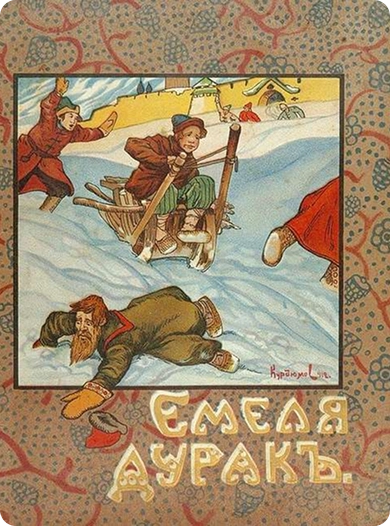
A famous Russian fairy tale “By the Pike’s Will” reveals the idea, that luck favors the ingenuous and unselfish. The main character of the fairy tale – Emelya is a lazy, but very kind young man. When the magic pike caught in the ice-hole asks to be released in exchange for a wish, Emelya does not ask for untold riches, or for something that can harm people, but makes childishly naive wishes. Hidden here is the moral that fate rewards the pure of heart with good fortune.
A fairy tale called “The Turnip” – is a story about a family that unites to be able to pull out a huge turnip. Every member of the family, from a grandfather to a granddaughter, and even a mouse, contributes to the common cause. This tale emphasizes the great value of a family in general, as well as the importance of help and support within it. When it comes to accomplishing a common goal, every family member is important and needed.
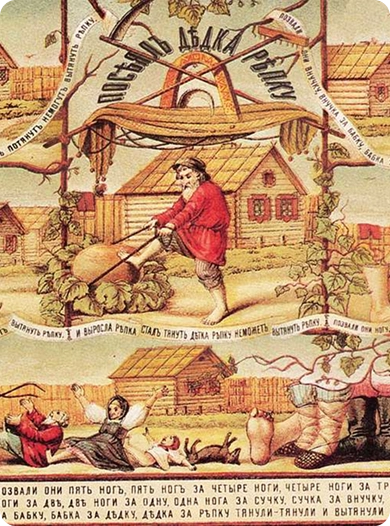
In Russian folk tales good always triumphs over evil
This may be expressed in various ways: the hero defeats an evil sorcerer, returns stolen wealth, or saves people from danger. There is often an element of magic in these stories that helps the characters overcome challenges.
Fairy tales also teach children moral values such as honesty, justice, mercy and compassion. They help children understand what is right and what is wrong, and how to act in different situations.
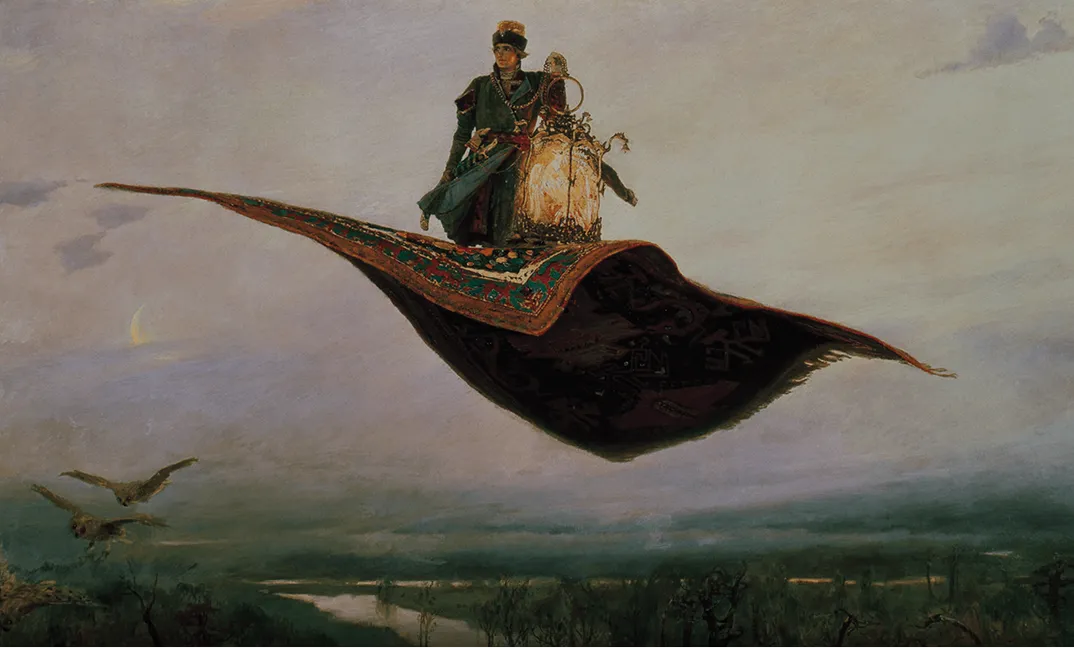
Proverbs and sayings
Proverbs and sayings are an integral part of Russian folklore. They are short but capacious sayings that contain the wisdom and experience of the people. They teach us to live in harmony with the world around us, to appreciate labor, respect our elders and care for the younger ones.
Proverbs and sayings are used in everyday life to express thoughts, evaluate situations, and communicate with others. Here are a few popular Russian sayings that most accurately reveal the character and soul of the Russians:
In Russian folklore, the numbers 3 and 7 originally meant good luck, while the number 13 carried the opposite meaning and was called “the devil’s dozen”. The number 3 is often mentioned in epic poems and fairy tales as a certain completion and passing of a cycle, for example, “birth – life – death” and also symbolizes the challenge of fate for the protagonist, for example, to choose from 3 roads or pass 3 tests to get what they want. The number 7 symbolizes the multitude of choices and is accompanied in Russian folklore by events and phenomena that bring good luck and wisdom.
Folk costume
Description and symbolism
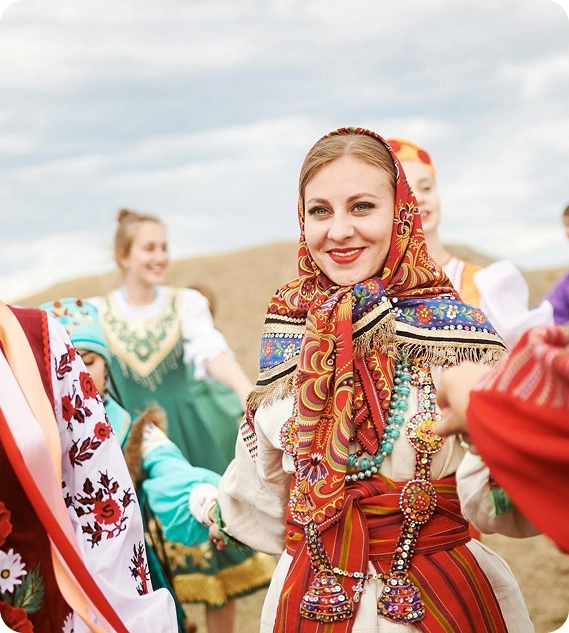
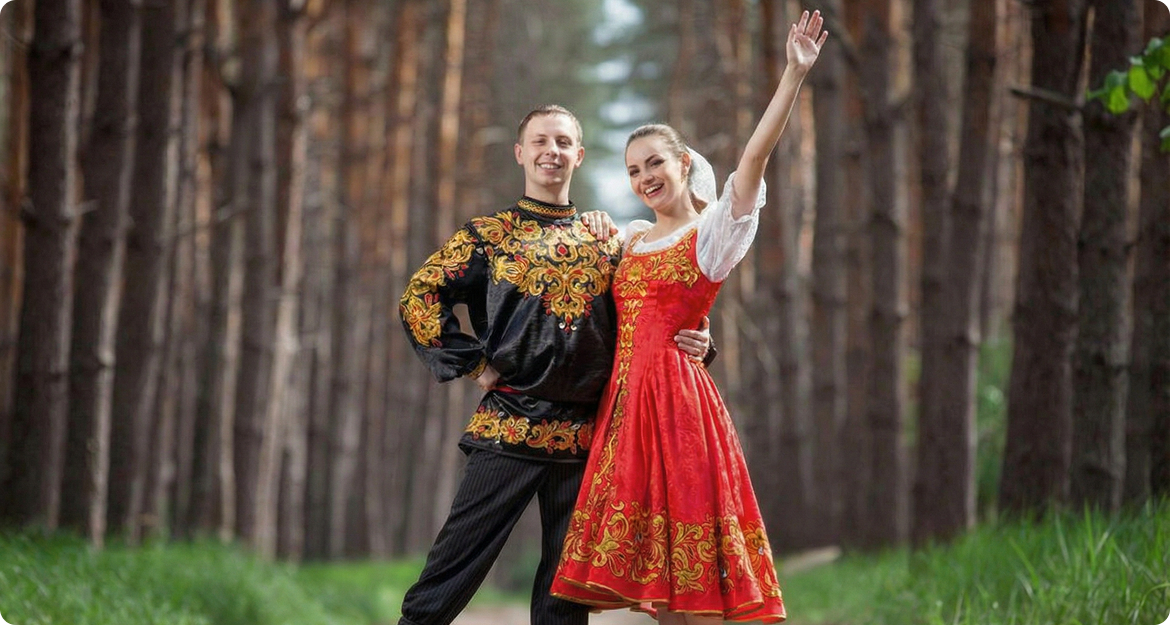
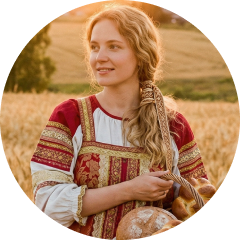
One of the basic elements of folklore is Russian costume, which can tell us a lot about the culture and life of our ancestors. The main elements of men’s traditional costume included: a shirt, a caftan, a hat and boots, and women’s costume elements were a sarafan and a kokoshnik. Each element had its own symbolic meaning as well as a practical function.
The shirt, for example, symbolized a man’s connection to nature and ancestors. It was decorated with embroidery, which also had a symbolic meaning: geometric patterns denoted the sun, earth, water and other forces of nature, and images of animals and plants were considered amulets. The sundress was the epitome of feminine beauty and grace. It could be of different colors, but most often red sundresses were worn. The kokoshnik was worn by married women as a symbol of fertility and marital fidelity.
National cuisine
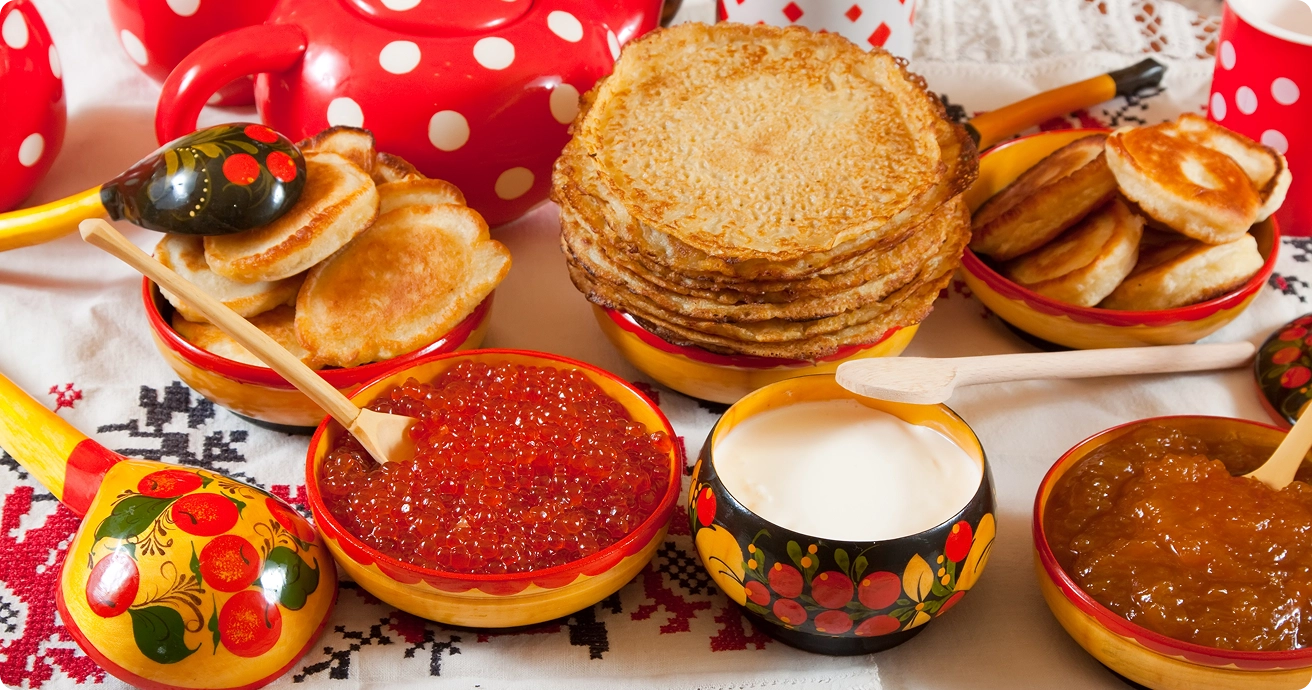
Speaking about the culture of such a large country as Russia, you can’t do without describing the national cuisine.
Russian gastronomic culture has rich traditions and was formed under the influence of various historical stages and peoples that have inhabited the territory of Russia for centuries. The most popular dishes of Russian cuisine are:
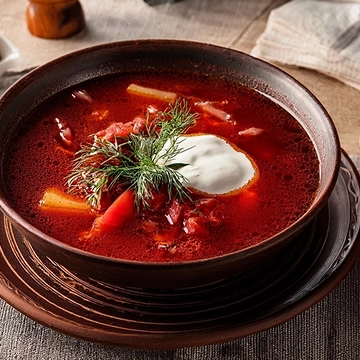
Borshch — is a soup of vegetables with a rich meat broth that has a distinctive bright red color given by beets.
Each hostess cooks borshch in her own way, and the secrets of its cooking are passed down in each family from generation to generation.
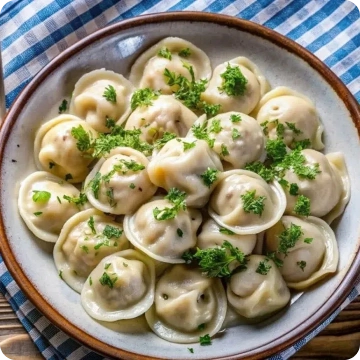
Dumplings — is another popular dish of Russian cuisine, which is usually prepared by the whole family for festive feasts. They are small pieces of specially molded dough with a meat filling.
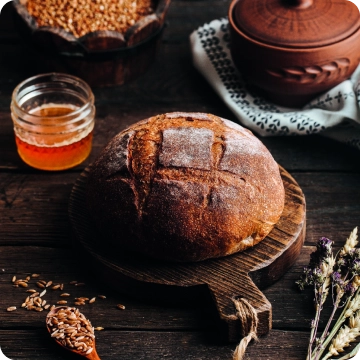
Bread — plays an important role in Russian national culture. In the past, housewives used to bake it in a Russian oven using a special technology with a “live” sourdough.
In modern times, almost no meal in a Russian family goes without bread. Rye and multigrain flour are the most common ingredients of bread in Russia.
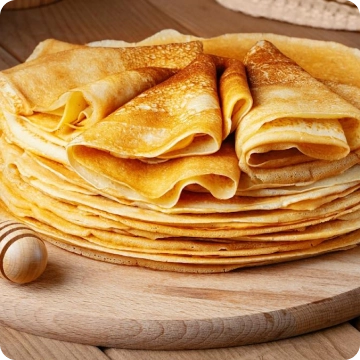
Pies and pancakes — are two Russian dishes that are sure to accompany almost any Russian holiday feast and everyday diets. Pies are baked from yeast dough with a variety of fillings, including sweet ones.
Pancakes, or bliny, – are thin, round, golden-colored flatbreads of dough with various kinds of fillings and toppings, such as sour cream, caviar, honey, jam, and condensed milk.
Everyday traditions
Speaking of rituals and the most popular Russian traditions that have taken root in modern society, one cannot fail to mention the banya.
The banya
Many Russian families have their own banya on country plots or regularly visit it in the city. Russian banya has a long history, going back to ancient times. The main difference between Russian banya and its peers (bathhouse, sauna, etc.) is that it uses a stone stove, which heats the stones rather than the air. The stones are doused with water to create very hot steam.
The authentic Russian practice is to steam with a broom. It is a special bath ritual of using a bundle of branches from certain trees (birch, oak, fir) to generate steam and tap yourself or others from toe to head. This procedure improves blood circulation and strengthens the immune system. After steaming, it is customary to take a dip in a font of cold water, or to rub oneself with snow and drink herbal tea. It is believed that a true Russian banya fortifies not only the body, but also the spirit.